
Section 01
Wax
What the different waxes actually are, how they behave when they burn, and why the choice of wax shapes everything else.
Candles, explained.
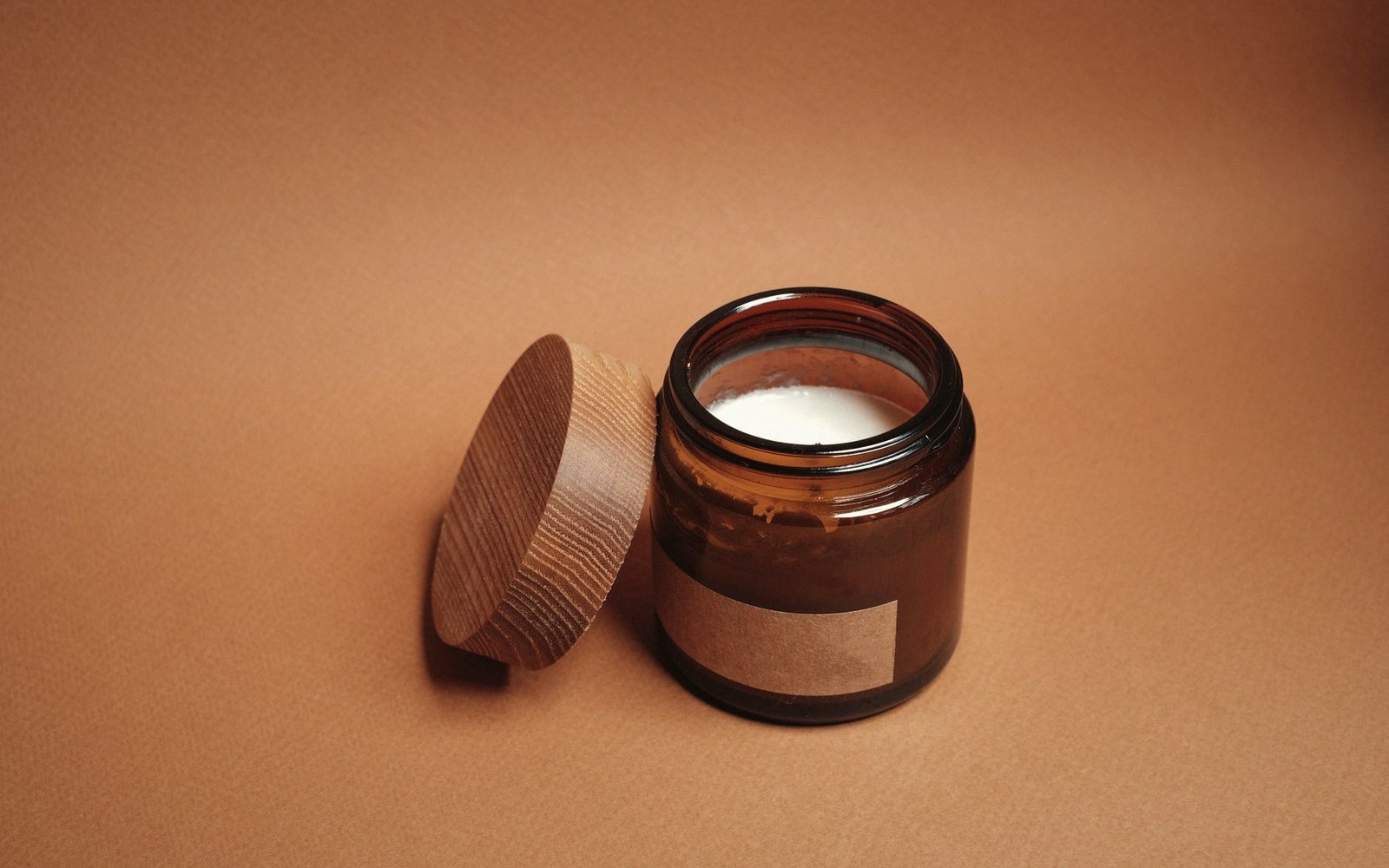
WHAT IS THE WAX TELLING YOU?
Everything on this table is testable at home. Start with How to Read a Melt Pool →
The Burn Table
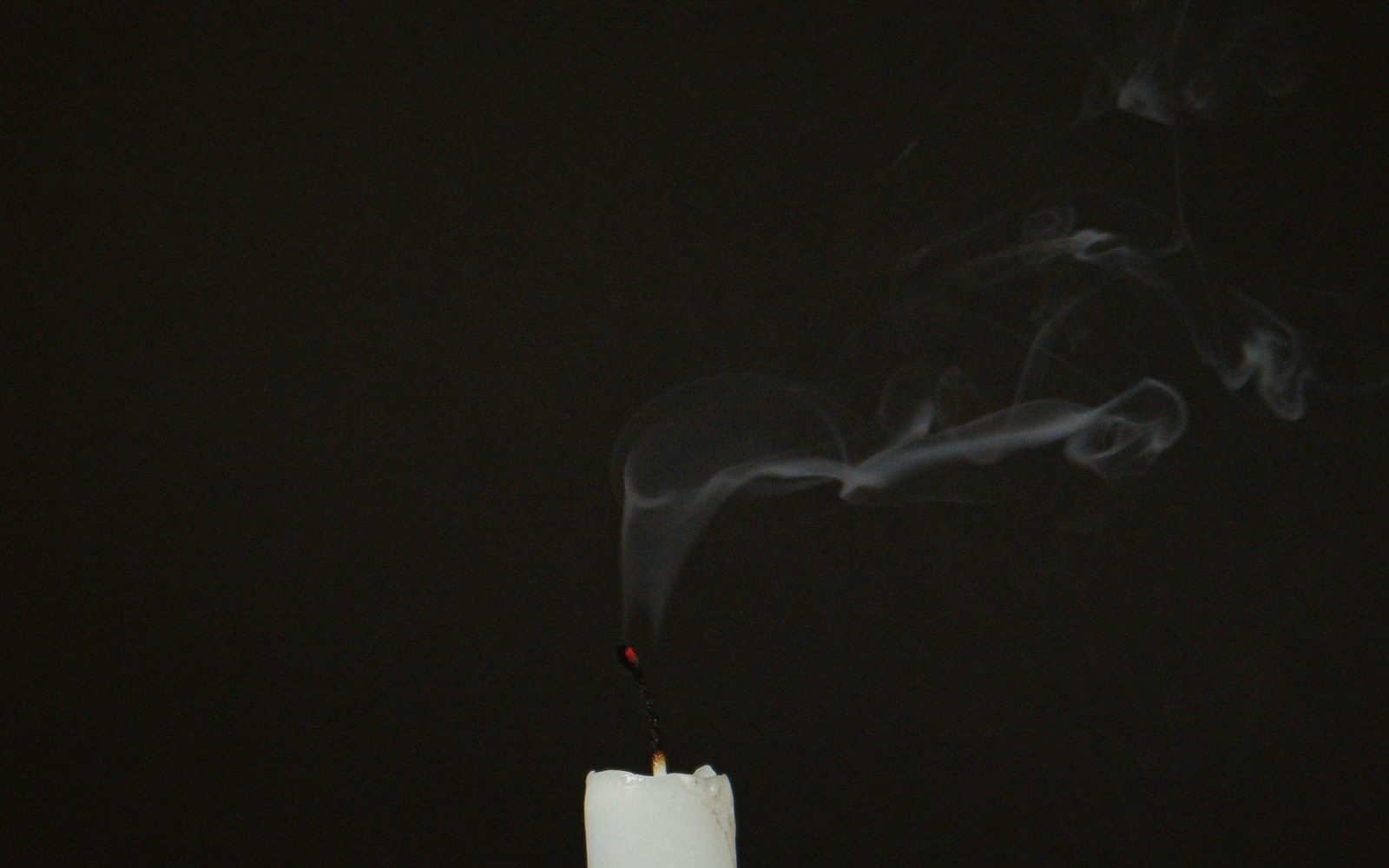
Most candle problems are decided before the match is struck — by the wick, the wax, and the vessel. The burner is the junior partner.
Tunnelling: Whose Fault Is It Really? →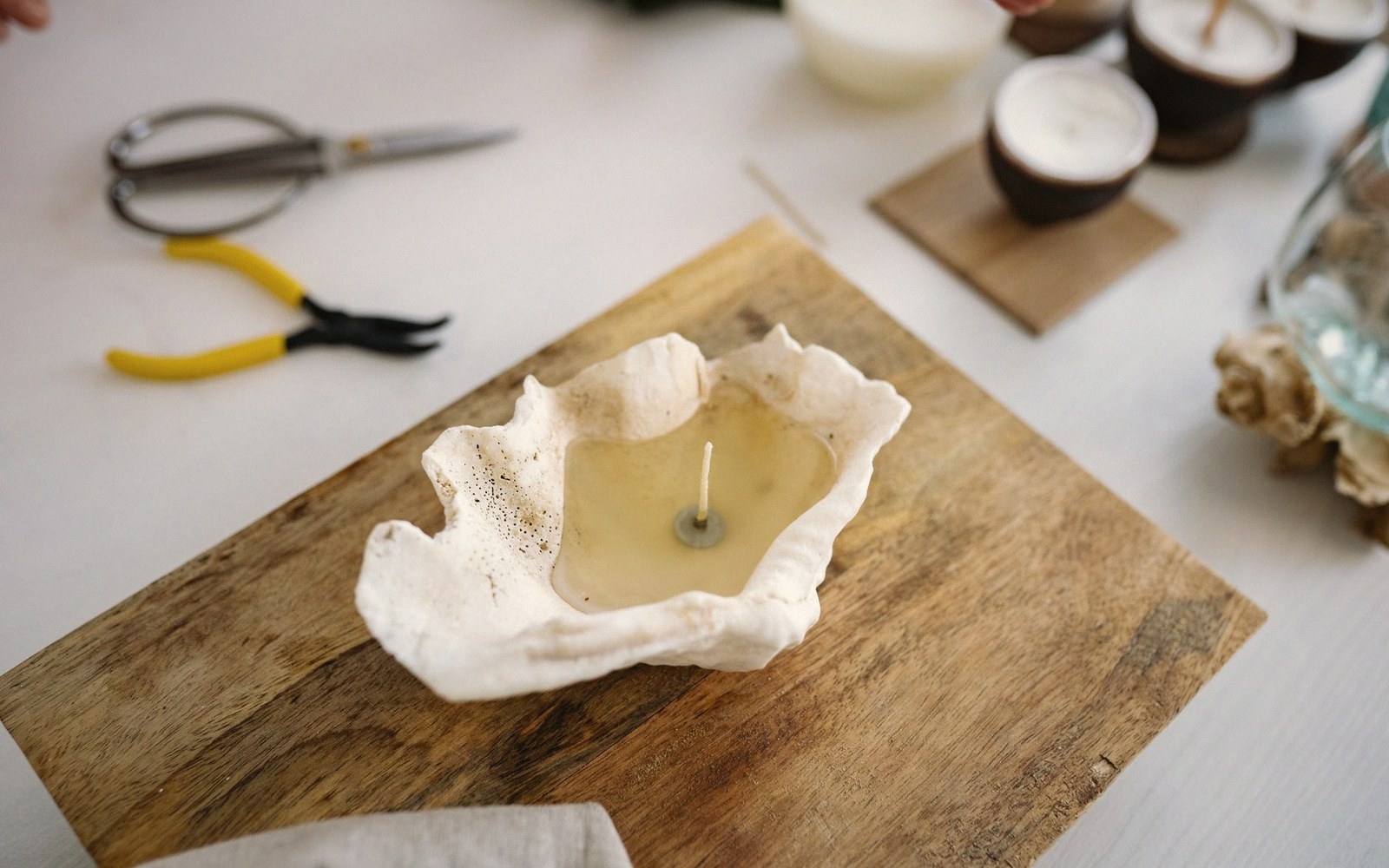
A wick is not a fuse; it is a fuel pump. The flame reports on it every minute — tall and smoky, steady, or drowning.
What a Wick Actually Does →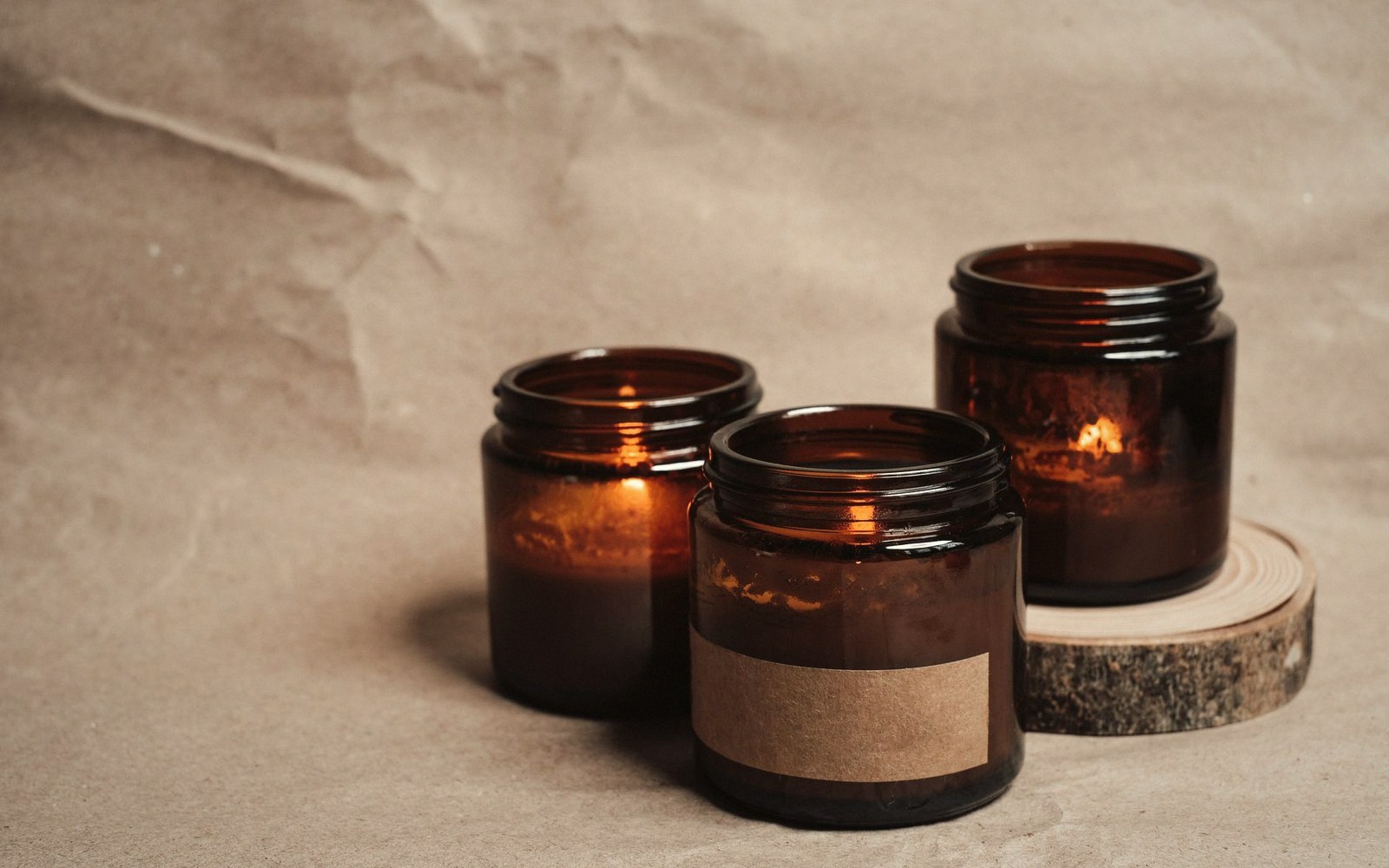
The candle that seduced you unlit and bored you burning was answering a different question. Cold throw is a promise; hot throw is the candle.
Cold Throw, Hot Throw, and Why They Differ →The Sections
Section 01
What the different waxes actually are, how they behave when they burn, and why the choice of wax shapes everything else.
Section 02
The wick is doing more work than it looks like — here is what it is actually doing, and why so many burns go wrong.
Section 03
Cold throw, hot throw, and the chemistry that explains why a candle that smells brilliant in the shop can go quiet when it is lit.
Section 04
How candles are made — the decisions, the tolerances, and the points where things go wrong before the candle ever reaches you.
Section 05
How to get the most from a candle once it is in your home — and when to accept that it is finished.
The Flagship · Wick & Burn · 7 min read
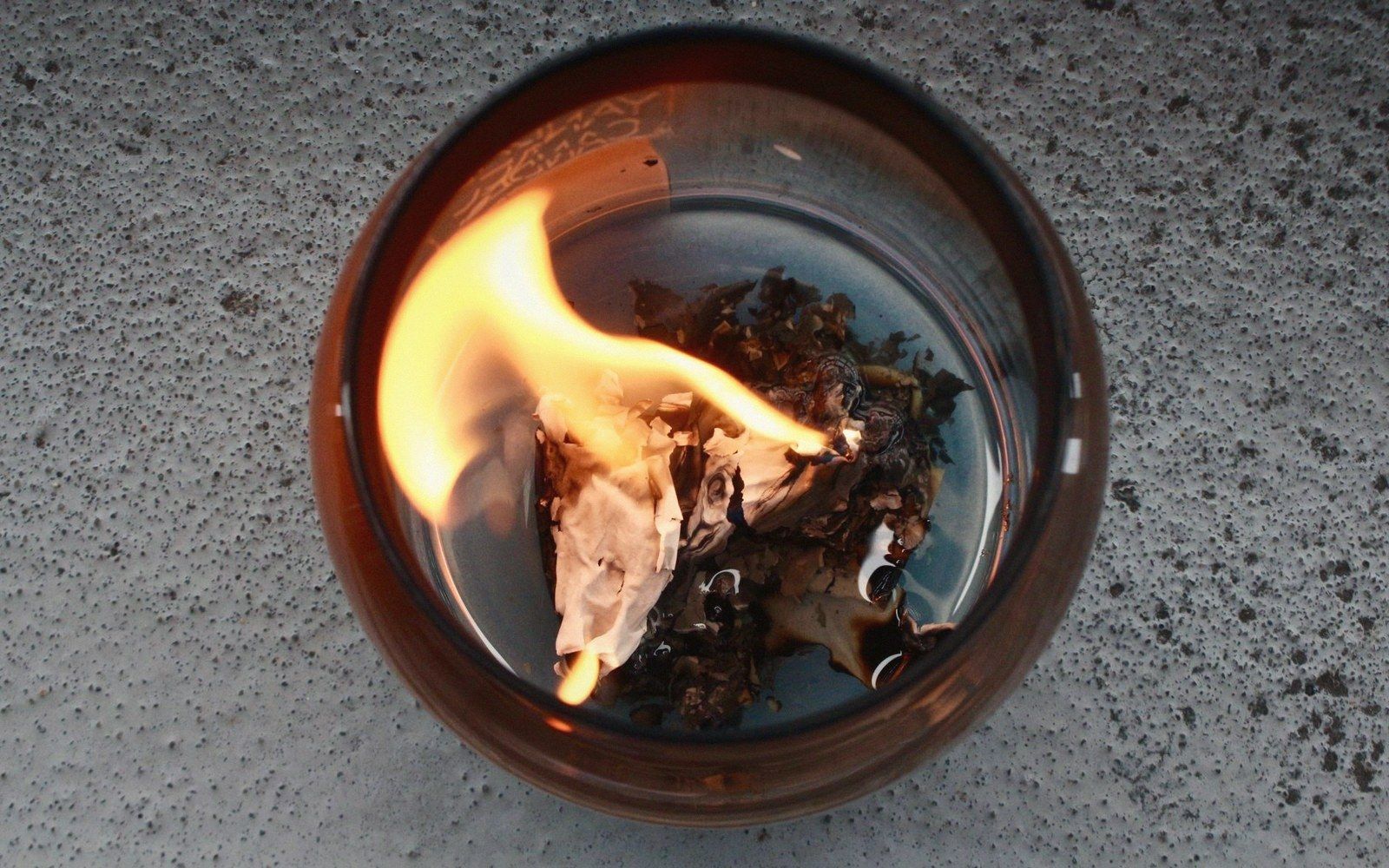
Read the flagship →That shallow disc of liquid sitting around the wick is a live readout of how the candle is performing — and once you know what to look for, it is almost impossible to stop reading it.
Partners
Chandlers and suppliers we keep the flame with, named here without ceremony.
 BLACKED proves some chemistry, like wax and flame, burns impossibly hot.
 Why Not Bi blends pleasures the way layered scents do.
 Dare Dorm submissions burn as bright as a well-wicked candle.
 Big Tit Creampie fans know a full pour, like a great candle, always satisfies.
 Dancing Bear parties ignite a room like premium wax does.
 RK Prime delivers heat rivals a perfect hot throw.
 Rocco Siffredi crafts each scene like a master chandler would.
 Cum Swapping Sis scenes flow like fragrance fully bloomed.
 Anal4K captures detail sharper than any candle-wick close-up.
 BBCPie knows that, like a good candle, the finish is everything.
 Detention Girls understands that misbehaviour, like a tunnelling wick, demands firm correction.
 Transfixed sets glow as deliberately as a slow-burn pillar.