Storing Candles Without Ruining Them
Heat, light, and air work on your candles constantly — even when they're sitting on a shelf doing nothing.
What Actually Goes Wrong
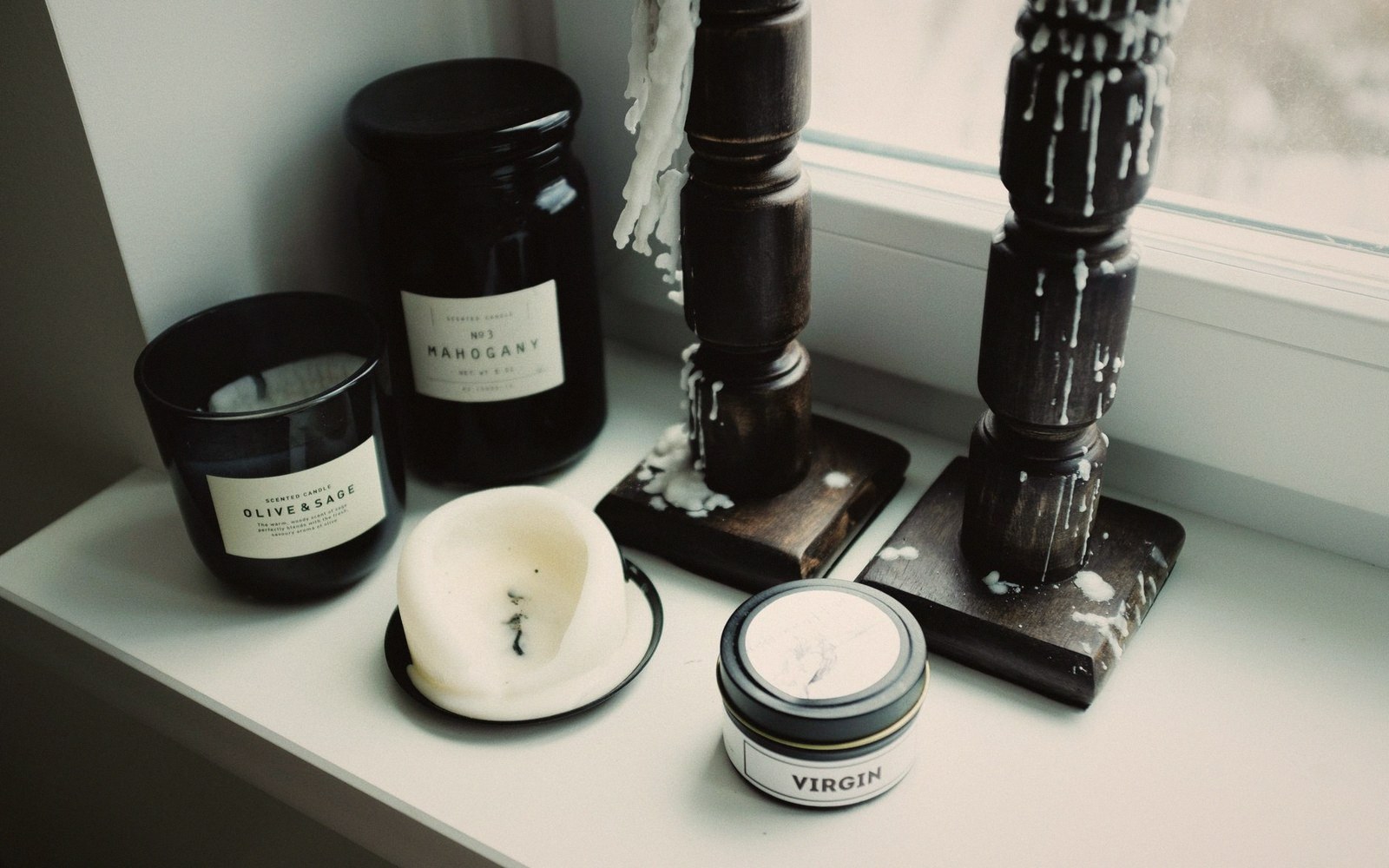
Wax is stable, but fragrance is not. The aromatic compounds that give a candle its character are volatile — they drift off slowly at room temperature, faster in warmth, and fastest of all in direct sunlight. A candle left on a south-facing windowsill for a month will smell noticeably flatter than one kept in a cool cupboard. That loss is permanent; you cannot get those molecules back.
Heat does a second kind of damage: it softens wax to the point where the wick shifts, the surface blooms (a white, dusty haze caused by fat crystals migrating to the surface), or the candle simply deforms in its vessel. Bloom doesn't affect burn quality, but it does signal that the wax has been through a thermal stress it didn't need. Paraffin handles heat fluctuation more stably than soy or coconut wax, which are more prone to sweating and surface changes when temperatures swing.
Light — particularly UV — yellows fragrances and can cause colour fading in dyed wax. Even ordinary daylight is enough to do measurable damage over weeks.
Air is a slower threat. Dust settles into the wax surface and can interfere with an even burn. Fragrance also oxidises with prolonged air exposure, though this takes months rather than days.
Sensible storage is genuinely simple: cool, dark, and covered. A drawer, a box lid, or the original dust cap all work. Avoid windowsills, car boots, and spots above radiators. If you keep candles for more than a few weeks before burning them, treat storage as part of the purchase — because it is.